
Archive

Archive for the ‘Geek’ Category

MacBook Mini lives!

March 19th, 2009 No comments

I was happy to receive shipment confirmation on my Dell Mini 9 order on Thursday and it showed up Tuesday afternoon. After quickly archiving the SSD (I had considered evaluating the pre-installed Ubuntu Linux setup, but ‘eh, I’ve used Ubuntu before), I proceeded to install OS X Leopard (10.5).

My initial attempt didn’t work directly off of the install DVD (the easy way) so I had to resort to the more mucky copy-install-DVD-to-external-drive solution. On the plus side, the install proceeded fairly quickly as it was not hampered by the slowness of installing from DVD.

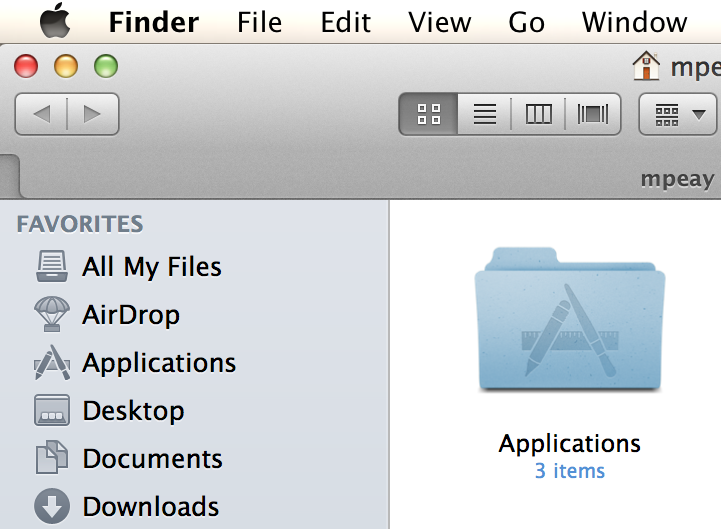
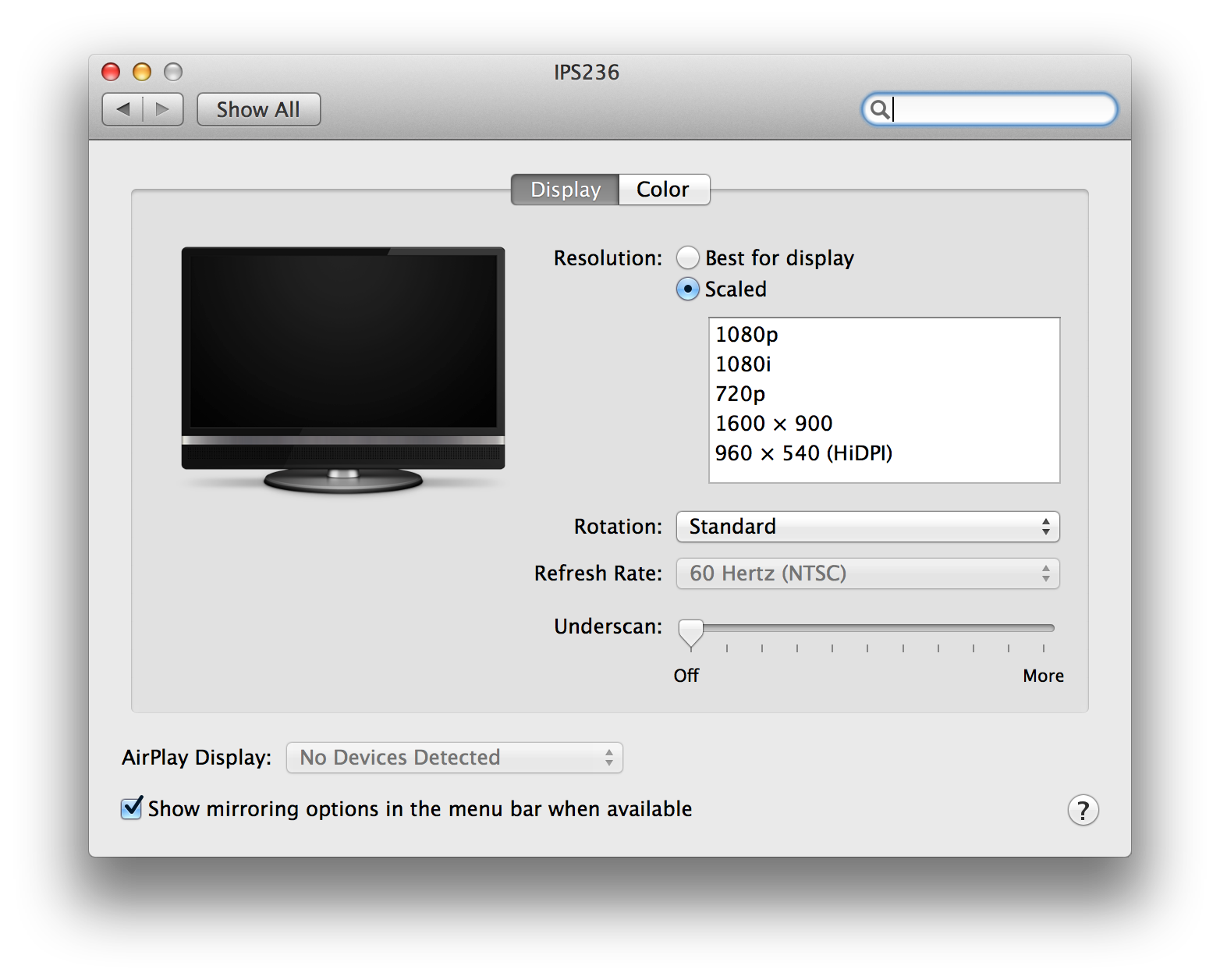
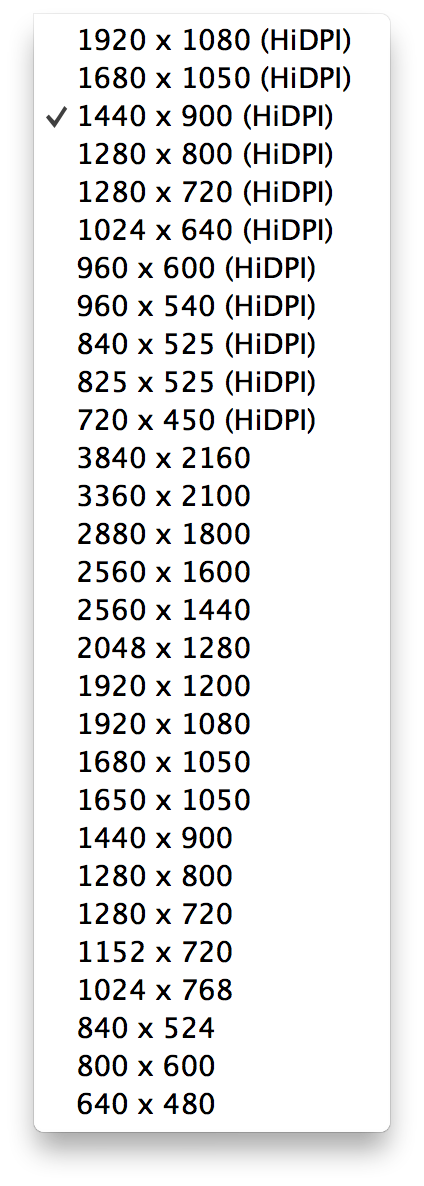
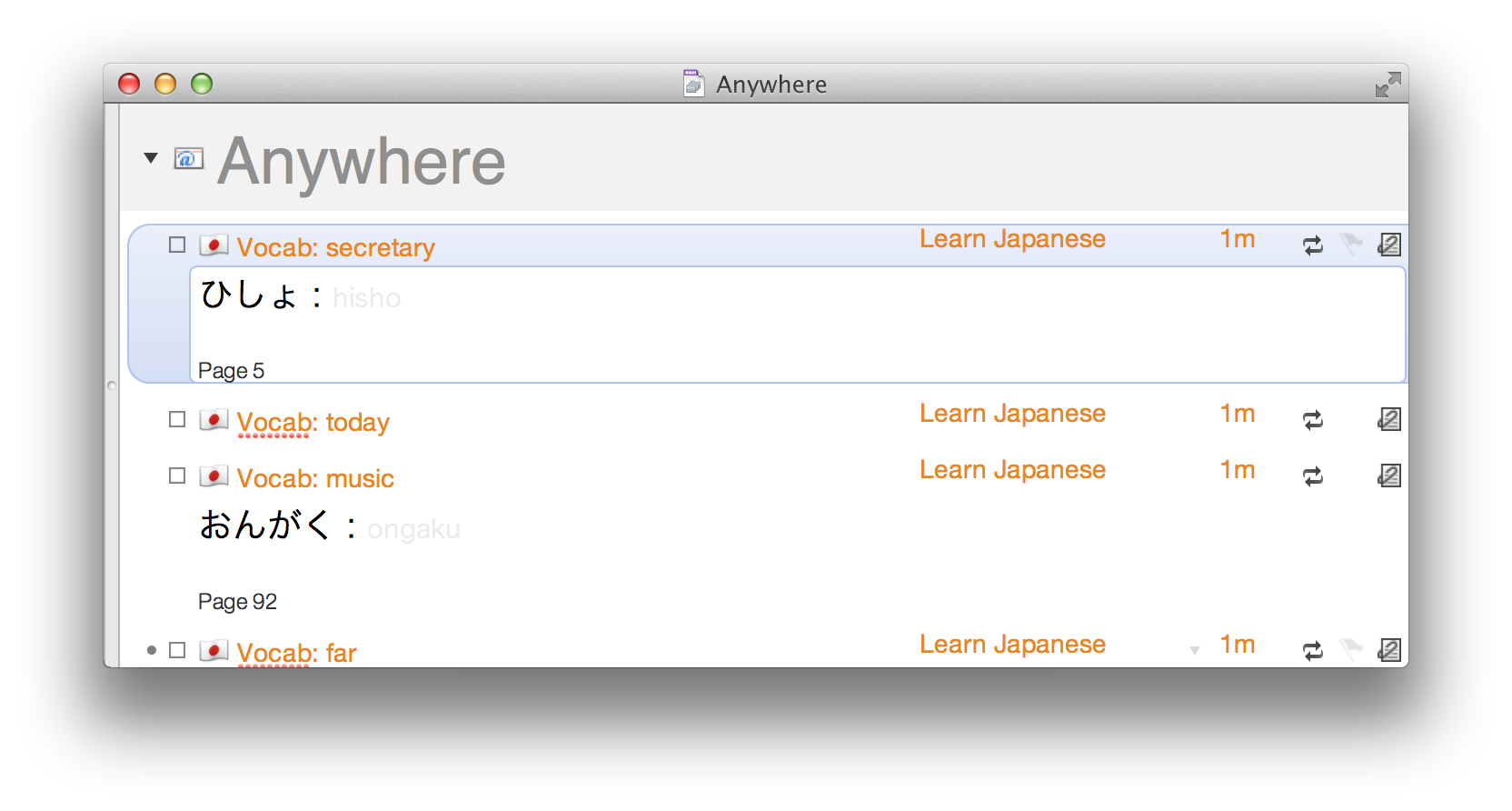
After a few reboots and updates, I now have this:

I must say that it is the cutest and coolest little laptop that I’ve used in a while. I’ve been able to install the apps I want to use (Firefox, OmniFocus, 1Password, iStat Menus, Growl, and Adium) as well as the VPN software for work so I can respond to any issue that might come up. After purging items mentioned in my last post, I have 4.5G free on the 16G SSD (formats to 14.03G).

It isn’t all paradise, however. Getting used to the keyboard is proving challenging. Not surprisingly, the keys are about 80% normal size, but I can live with that. The part that’s really strange is that the ‘/” key which is normally to the right of ;/: is now below ./> but the really annoying thing is the right shift key is half size right next to the up arrow. More often than not I end up moving the cursor up a line whenever I try to capitalize something.

While I will opt for my work MacBook or the family MacBook Pro for anything really serious, the Mini 9 is a great little “goof around” Mac that Apple never made. After our budget digests the purchase in a month or two, I’ll pick up a 2G DIMM as I’m noticing the slowdown of OS X on 1G. I’ll also get a 8G SDHC Flash card for scratch and I’ll be ready for anything.

Categories: Geek, Links, Macintosh, Thoughts, Work Tags:

Getting ready for my MacBook Mini

March 13th, 2009 1 comment

While I wait for Dell to ship my Dell Mini 9, I did the only thing I can do: pretend. Borrowing an idle Mac Mini, I installed, updated, and trimmed OS X to see how much breathing room I’ll have on the 16G SSD. I’ll put my process here for my own reference when I do it again for real but also for anyone who might come by and is curious.

  1. Formatted SSD as 16G HFS+ partition. I’m not sure what the actual size of the SSD will be (I’ve heard ~13G usable)
  2. Installed 10.5.4 with everything option turned off
  3. Did initial set-up and let Spotlight build initial search index
    7.92G Used, 8.08G Free
  4. Installed available updates:
    • Remote Desktop Client Update 3.2.2
    • QuickTime 7.6
    • iTunes 8.1
    • Java For Mac OS X 10.5 Update 2 1.0
    • Mac OS X Update Combined 10.5.6

    Reboot: 7.23G Used, 8.77G Free

  5. Installed Firefox 3.0
  6. Using AppZapper (running from a flash drive), I deleted the following apps:
    • Automator
    • Chess
    • DVD Player
    • Font Book
    • iSync
    • AirPort Utility
    • Audio MIDI Setup
    • Boot Camp Assistant
    • ColorSync Utility
    • Migration Assistant
    • ODBC Administrator
    • Podcast Capture
    • RAID Utility
    • Remote Install Mac OS X
    • VoiceOver Utility

    7.15G Used, 8.85G Free

  7. Installed available updates:
    • iLife Support
    • AirPort Client Update 2009-001 1.0
    • Front Row Update 2.1.7
    • Safari 3.2.1
    • Java for Mac OS X 10.5 Update 3 1.0
    • Security Update 2009-001

    Reboot: 7.6G Used, 8.4G Free

  8. Ran Monolingual and removed all languages except English and English (United States)
    Reboot: 6.09G Used, 9.91G Free
  9. Ran Monolingual and removed all Input Menu languages
    6.04G Used, 9.96G Free
  10. Using Monolingual removed all architectures other than Intel
    Reboot: 5.97G Used, 10.03 G Free

Of course, I can dig through /System and /Library to find others but I don’t think the gain would be great and I’m happy with having 8-10G free considering I can easily get a 8G SD flash card for additional storage.

Categories: Geek, Macintosh Tags:

A new toy for my birthday

March 1st, 2009 No comments

If you follow me on Twitter or read my previous Twitter posts, you saw that yesterday we decided that we could afford to buy a Dell Mini 9 for my birthday. I’m kinda excited as I’ve been wanting a netbook for a bit and the Dell is able to run OS X with no significant compromises (aka Hacintosh). Since I think it will be a bit before Apple decides to play in the netbook arena (if ever) and, if they do, will not be likely targeting sub-$400, this will be the best way to get a mini Mac laptop on the cheap.

Of course, the challenge of getting OS X running will be fun in-and-of-itself. Will it be the perfect laptop? No. I know the screen is small, keyboard cramped, and the processor is on the modest side, but I will be able to carry it almost anywhere and will have a full browser, mail, and programs with me. With the SSD disk, it should be silent, too, which is nice.

I’ll be ordering it tomorrow morning and while it won’t make it in time for my 40th birthday on Wednesday, it will hopefully be in before too long. I’ll let you know how it goes and what the experience is like.

Categories: Apple, Geek, Links, Macintosh Tags:

A little playing around

February 1st, 2009 No comments

As I mentioned in a previous post, a few colleagues at work have several of the ever more popular netbooks. One of the guys has been opting to use his personal one and leaving his work one sitting largely idle. He was kind enough to let me take his Acer Aspire One for a spin. At the same time, I’ve been taking a look at the recently released Windows 7 beta. This post is a mini review of both.

Acer Aspire One

First, the Apire One is certainly a cute system but it’s not without its faults. The screen is 8.9″ and 1024×600. It’s enough to get work done, but you don’t realize how spoiled you get with screen real estate until you don’t have it. The one I’m borrowing has a 6 cell battery (rather than the standard 3 cell) which gives it about 4-5 hours of use which is quite nice.

Acer Trackpad

For the Acer itself, I really dislike the fact the trackpad buttons are on the left and right rather than below which makes it awkward to use. Also, due to the smaller form-factor, my palms hang off the side which causes the case edge to dig into them. Of course, if I wasn’t quite so lazy it wouldn’t be a problem.

I’m watching the upcoming 10″ Aspire which has a normal trackpad but with all the other features. I’ll be keeping my eye on it and may look to get one for myself. As solid-state disk (SSD) gets cheaper, the idea of a 64-128G flash drive instead of 2.5″ disk is attractive as the drive on the Apsire is just noisy enough to be noticeable (though not bothersome).

Windows 7

If you know me or have read this site, you know that I’m a Mac guy. I’ve used Macs since 1986 and while I have access to just about any type of system in use, if I’m trying to get something done, I use a Mac.

I do use Windows every day and have since Windows 3.1. Microsoft has done some good things and some bad things. I’ve been using Windows Vista for a bit now and have been underwhelmed but I do think it isn’t quite as bad as the general public perception.

Windows 7 Screenshot

Windows 7 was released as a public beta a few weeks ago and I first created a VM on my MacBook and most recently installed it on the Acer. I can honestly say, for Windows, it is a nice operating system. Netbooks are, by design, lower end systems. As operating systems evolve, they generally require more and more resources. Vista’s requirements have been a source of complaint and at least one lawsuit. Windows 7, as I’ve seen, is far more efficient and runs quite nicely on the little bugger. It’s taken some effort to find proper drivers for things like wireless, touchpad, and video, but even stock, the system was usable.

Having a system you can simply cary around makes keeping a computer handy easy. Of course, I personally hope that Apple jumps into the game, but I’m not holding my breath.

Categories: Apple, Friends, Geek, Links, Thoughts, Work Tags:

Sometimes the truth hurts

January 15th, 2009 No comments

From xkcd. This is cute, but I fear it might be more true than I’m willing to admit.

Categories: Apple, Geek, Links, Thoughts Tags:

But they’re so cute!

January 1st, 2009 No comments

I’ve been following the recent development of the new “Netbook” laptop category. It was started with ASUS and their EeePC but there have been many other entries by Dell, Acer, and others. Two of my colleagues at work got the Acer and like them and my brief look at a selection at Circuit City has sold me on the concept. A modestly-powered system (1.6 GHz CPU and 512M to 1G RAM) with a small screen (7-10″) but in a small and affordable package makes a very attractive option for things like web browsing and email.

I am quite hopeful Apple releases one at Macworld Expo next week, but I’m not holding my breath. While I think they would clean up with a $400-500 “MacBook Mini” I can’t help but think they are scared of what that might do to their bottom line.

Categories: Apple, Geek, Links, Thoughts Tags:

Don’t forget the shrinkage

December 31st, 2008 No comments

I’m a big fan of MythBusters and have come to always enjoy the antics of its hosts Jamie Hyneman and Adam Savage. They are both very talented and quite entertaining. Adam seems especially built for it given his creativity and funloving attitude. If you’ve watched the show, you understand. What you may not understand, however, is his dark side. The obsessive and compulsive side. Watch the below presentation to see what he went through for a recent project. I can’t decide if I need to feel sorry for his family or learn his time management skills.

Categories: Family, Geek, Links Tags:

A nice addition to my home theater

November 28th, 2008 No comments

A friend at work that knows that I have a Mac-based home theater, offered an invite to the in-development software/service, Boxee. It is a very well-designed piece of software currently for OS X and Linux that presents not only your own library of music, videos, and pictures, but also can present web services like Hulu, YouTube, Flickr, Last.fm, and others. Hopefully, it’ll add support for EyeTV so I can watch recorded shows in the same interface.


quick intro to boxee from boxee on Vimeo.

While it is considered alpha, the amount of function and polish is quite significant. There’s social aspects like seeing the things your friends have listened to or watched. The service is invite only currently, so if you’re interested, please let me know.

Categories: Geek, Links, Macintosh, Work Tags:

For Sale: Storage Robot (Drobo)

November 18th, 2008 7 comments

Over the summer I purchased a Drobo “storage robot” from Data Robotics for my home server/media center. It is a four-bay USB storage device that accepts any number and combination of SATA drives to build a larger virtual volume which can be used on either OS X or Windows. I intended to write about my experiences (receiving it the day before they upgraded the product, a bad first unit, some early driver bugs, etc.) but never got around to it.

In spite of some of my earliest experiences I am quite a fan of the device and have not regretted the purchase (only the timing). It is a flexible and well-performing method for keeping my pile of data safe with plenty of elbow room.

Why am I selling it you ask? The truth is, I’m not a typical user. The system it is attached to serves numerous roles. It is the server for our peay.us domain (web, mail, DNS, etc.) and also the home media server (iTunes, iPhoto, file server, and El Gato EyeTV DVR). The end result of all of this disk I/O is that when EyeTV is recording a show from the USB TV tuner and writing to the USB storage while other disk activity is going on (home directory syncing or Time Machine backup), it will often skip frames. That makes for a very annoying viewing experience. If the disk is idle and just recording there isn’t a problem and recent firmware updates for the device have helped considerably, but the fact remains I’m expecting server storage performance from a device that was not really designed or intended for such use.

As a result, I decided to purchase a gen 2 Drobo which adds a FireWire interface. Having a dedicated bus for storage will alleviate the problems I’ve been experiencing. Of course, if I had just waited a week before purchasing the original unit, I wouldn’t have had to do this.

To keep our budget in check, I am selling the original one to recoup some of the cost of upgrading it. That means you get to benefit from my bad timing. If you are interested in purchasing it (you’ll have to supply one or more of your own drives), make me an offer. I’d prefer to keep it among my “friends” and family to avoid hassling with eBay or craigslist but am motivated and will sell it one way or another.

Categories: Family, Friends, Geek, Links, Macintosh, Thoughts Tags:

I learned all about Time (Machine) so you don’t have to

August 23rd, 2008 43 comments

I’ve been learning a lot about the Time Machine feature of Apple’s OS X 10.5 (Leopard) and wanted to take the time to share my experience. In a nutshell, Time Machine watches the files that get modified on your system and copies them to a secondary hard drive or network volume so that you have automatic backups available for anything that was deleted or modified.

It is a very nice user experience and it takes a lot of the work out of making backups. Of course, by taking work out Apple is really just making decisions for the majority of users and for most users, that decision is quite acceptable. I’m not most users. Fortunately, Apple directly or indirectly provides methods for changing the behavior of much of the OS and Time Machine is no exception. Here are many of the things that I’ve gathered over the last few months that might benefit you if you want to get more out of your experience.

Overview

I won’t go into too much detail as I’m going to presume you’ve already used Time Machine and are familiar with how it works. Generally, it performs a backup of your system every hour to an external drive. It is efficient in that only the modified files are copied. Hourly copies are kept for for 24 hours, daily copies for a month, and weekly copies until the destination drive fills up. You are free to put other data on that Time Machine disk, but it will eventually consume all available space.

Space is pretty efficiently used in that a file is copied only if it has changed but ineffecient in that a small change to a large file results in the entire file being backed up again. This can be a problem if the file really is big and changes frequently. This is the case with the virtual hard disk used for a virtual machine under VMware Fusion or Parallels Desktop.

Backing-up to a network volume

Any self-respecting geek has more than one computer in his or her home. Often times, you are using a laptop and have a dedicated computer with more storage sitting by your TV or in the den, closet, or garage. Unfortunately, while Time Machine can back up to a network volume, by default it only supports a specially presented volume served via Apple’s network filling protocol (AFP) from Leopard Server. You can back up to other choices (e.g., Windows or Linux) via Microsoft’s filing protocol (CIFS). To do this, you first need to have a native Apple file system to copy the data to.

Creating a sparseimage

OS X has supported disk images since the beginning but has recently added a format called sparseimage that starts small but grows as more data is added to it. To use a network volume, you first need to create the image that your machine will be storing the actual data in. Type the following on a mac creating the disk on a local hard drive first:

hdiutil create -library SPUD -size $SIZESPEC -fs HFS+J -type SPARSEBUNDLE \
-tgtimagekey sparse-band-size=262144 -volname "Backup of $MACHINENAME" \
$MACHINENAME_$MAC.sparsebundle

Here are explanations on the options that you’ll want to change:

$SIZESPEC – the size of the virtual disk when filled. A good choice is twice the size of what you’re backing up.

$MACHINENAME – The name of your machine

$MAC – The network address of the primary network interface without separators (e.g., aabbccddeeff0011). You can get this from System Profiler or Network Utility.

For education purposes, here is some explanation of some of the other items:

-fs HFS+J – make the filesystem HFS+ with Journaling (the default OS X filesystem)

sparse-band-size – the size of the ‘chunks’ that make up the sparseimage (they aren’t just one single file). Normally, the images are made in 8M chunks but those perform quite poorly over the network. The value provided above represents 128M chunks (2 * 128 * 1024 512-Byte-Blocks = 262144 = 128MB) which is a good size for a hard disk backup.

Copying the image to to the network volume is as simple as dragging the sparseimage file via the Finder or do it in the terminal:

cp -r $MACHINENAME_$MAC.sparsebundle /Volumes/path/to/destination

The last part is to tell the system to allow any network volume as a destination and not just AFP:

defaults write com.apple.systempreferences TMShowUnsupportedNetworkVolumes 1

Using just part of a drive

For some reasons you’ll see below, I wanted to limit the usage of the destination drive local to the system. Normally, Time Machine will use all the space of an external drive chosen as the destination. If you are storing other information on it, that can become a problem. The solution is to convert the physical Time Machine destination volume into a disk image.

The first step is to create a disk image with the same information above. Next, mount the newly created disk image:

hdiutil mount /path/to/created/imagefile

You can also mount it simply by double-clicking on the disk image file. You’ll then copy the contents of the current Time Machine volume to the created disk image. Note, it is best to ensure Time Machine is disabled as you don’t want anything changing as you are copying it:

sudo asr restore --source /Volumes/srcvol --target /Volumes/Backup\ of\ $MACHINENAME

asr is Apple’s System Restore utility and it performs copy between volumes but ensures that everything is copied properly. You need the sudo portion to have the command be able to access every file which may not be the case if run just as yourself.

Of course, this copy can take some time depending on the speed of your system but mostly due to the size of the data being copied.

Once completed, you can unmount the disk image and configure Time Machine to use the disk that the disk image is stored on. Time Machine is smart enough to use the image if it sees it (the file has to be at the top-level of the destination hard drive).

Trigger a Time Machine backup from the command-line

If you ever want to trigger a Time Machine backup on a system from the command-line, perhaps on a remote system via ssh, issue the following command:

/System/Library/CoreServices/backupd.bundle/Contents/Resources/backupd-helper -auto

Exclude an individual file from being backed up

You can exclude files from being backed up (like previously mentioned virtual disks) using the GUI in the Time Machine preferences (under Options), but it can also be done using the extended attributes in the command-line:

xattr -w com.apple.metadata com_apple_backup_excludeItem /path/to/file/to/exclude

Similarly, you can see if a file is being excluded but listing the extended attributes:

xattr -l /path/to/file/in/question

Hide the Time Machine disk in the Finder

If you aren’t getting all fancy and writting to a disk image, you may want to hide the destiation disk. You can do that just by making the volume invisible:

SetFile -a V /path/to/Time/Machine/Volume

Conclusion

I hope this has been helpful to you and that with the information are able to make a useful tool even more useful. To give credit where credit is due, I’ve included below the links to where much of the information was originally found.

Update

20090527 I’ve revised the sparse-band-size value from 1G to 128M which is the largest band currently support in 10.5.7. Files with larger band files cannot be mounted in 10.5.7. Once I determine the correct procedure for converting an old image, I’ll post a new article. In the meantime, you can get more information here.

Reference

10.5: Set up Time Machine on a NAS in three easy steps

10.5: Improve networked Time Machine performance

Man page for hdiutil

Man page for asr

Exclude Items From Time Machine Backup With Contextual Menu

Time Machine Exposed!

Hide Time Machine’s icon in the Finder

Categories: Apple, Geek, Links Tags: